[00:00:00] Speaker A: The truth can Breakthrough.
[00:00:05] Speaker B: Housing isn't just a headline. It's pressured complexity. It's the most important critical human issue. Underneath many of our problems today, we've got schools, employers, seniors, medical workers, the workforce, so many.
[00:00:22] Speaker A: And today's topic we're covering, we're going to cover a lot. We're not just going to, you know, cover one thing, but particularly today, we're going to be covering legislative and also infrastructure as it relates to our buckets and housing.
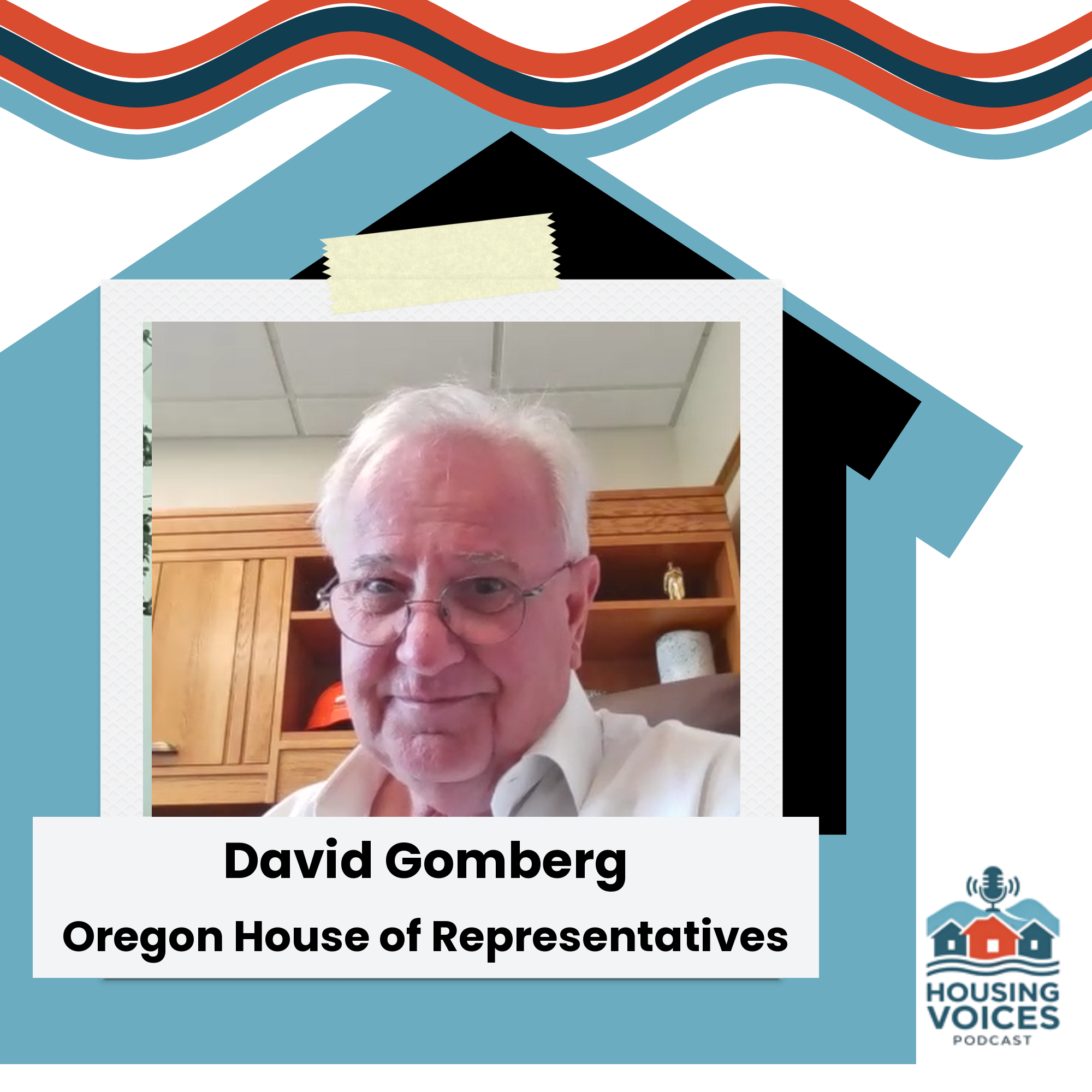
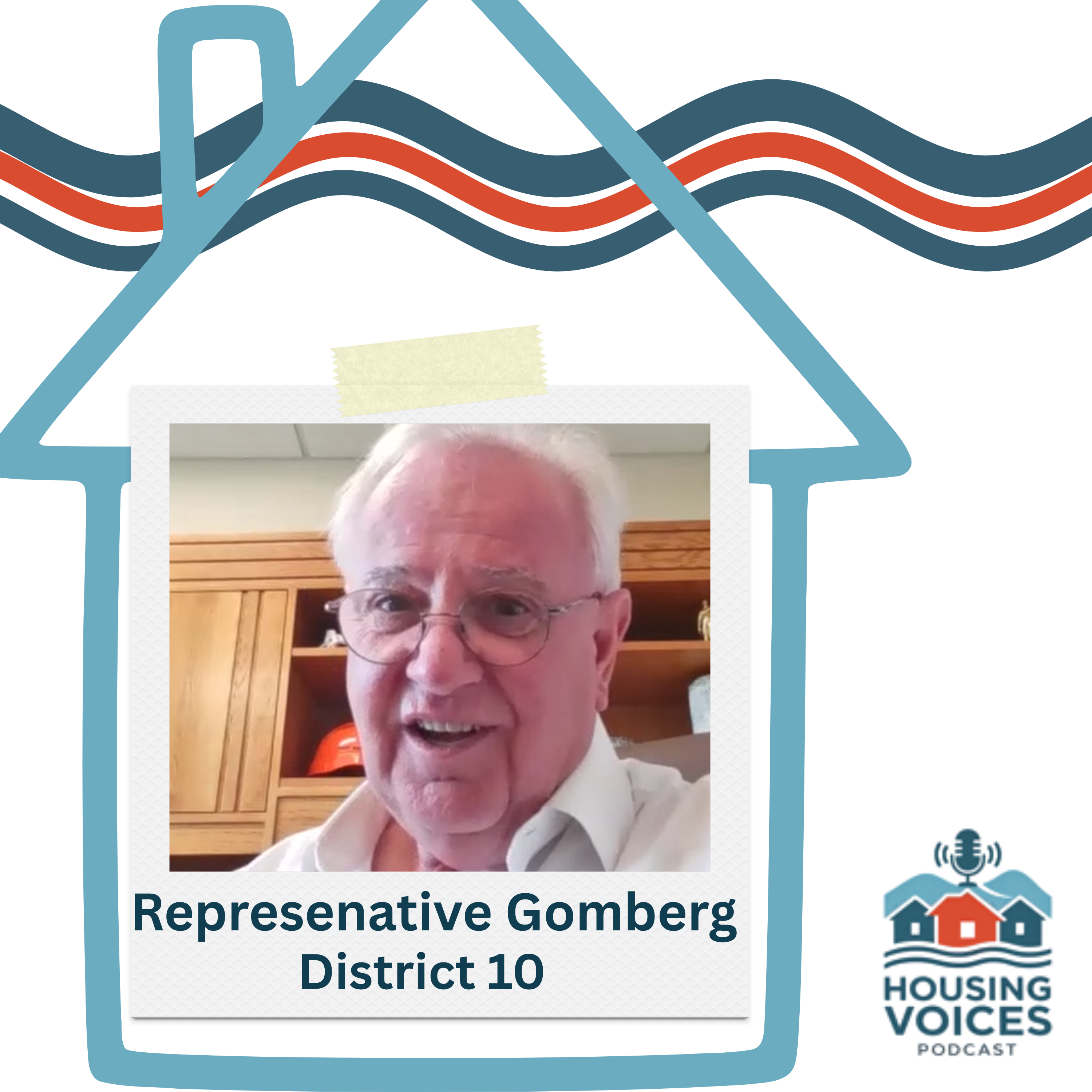
Our guests today, we're really excited to welcome our guest, Representative Gomberg, who will come to us from the state legislature to talk about housing as it relates to infrastructure and also, obviously, the legislative realm.
[00:00:56] Speaker B: I'm excited to really hear how he is planning on solving infrastructure issues that have been so plaguing Oregon. And what tools is he gonna use as a policymaker and how is he gonna utilize his connections in order to make those changes happen?
[00:01:13] Speaker A: Yeah. And I'm personally really excited because Gomberg, he is on a very important committee in the state legislature, Ways and Means, which controls the purse strings. And in the world that we are in, money moves everything.
And I would love to have a conversation because I think a lot of folks have been aware, have been some budget stuff going on in the legislature, to be super vague about that.
And how does that relate to housing?
[00:01:42] Speaker B: And when you say stuff, you mean shortfalls.
[00:01:44] Speaker A: Yeah, that's what I meant. Yeah.
[00:01:46] Speaker B: Okay.
[00:01:46] Speaker C: All right.
[00:01:47] Speaker B: This is Housing Voices from the porches
[00:01:52] Speaker A: and shelters, streets and the room.
If the house have voices, the truth could break through.
[00:02:07] Speaker B: Well, thank you for joining us. Representative Gomberg, we're really pleased to have you here on Housing Voices as our very first guest. Yes.
[00:02:15] Speaker A: Super excited to talk about.
[00:02:17] Speaker C: What an honor. Thank you.
[00:02:19] Speaker A: Yeah, absolutely. And for folks, we did a little bit of. Of information in our opening here.
So, Representative Gomberg, you cover House District 10, which is the coast. It's Lincoln County. It's part of Benton county and Lane county, right?
[00:02:36] Speaker C: That's right. My district is all of Lincoln county and the western portions of Benton and Lane, which means I stretch from Lincoln City almost to Junction City and from Falomouth to Florence. So it's a big piece of real estate on the western edge of Oregon,
[00:02:53] Speaker A: and that covers a lot of different types of land and different housing needs. Also from the coast all the way to here in the Benton county area, too.
[00:03:02] Speaker C: Well, that's absolutely true. A lot of small communities, towns of 10,000 or less, a lot of unincorporated areas, but all of them having similar challenges with the need to house their Residents.
[00:03:18] Speaker A: Yeah.
[00:03:19] Speaker C: Finding places for people to live who want to work at the coast, who want to retire to the coast, who want to visit the coast.
[00:03:29] Speaker A: Absolutely.
[00:03:30] Speaker B: We all love the coast. Yes, yes, absolutely. So beautiful, the Oregon coast. Just don't turn your back on the ocean.
What would you say is actually happening out there in your district regarding housing?
[00:03:43] Speaker C: Well, I mean, for years we've been challenged with the lack of affordable housing and competition for the housing that's available. You know, in my district, nearly one third of the residents are over the age of 65.
And these are people that are moving into the area to retire, to enjoy our wonderful environment.
But that in many cases, moving here from out of state and bringing some resources with them. So as they compete for the available property or the available homes, that drives the price up.
And that makes it more difficult for folks who are in a working environment and are trying to find a place that they can afford to stay. You know, in Newport, fully one third of the population commutes into town from outside of Newport every day for work.
[00:04:35] Speaker A: That's incredible. We have that same problem here in Corvallis where tens of thousands of people commute into the city every day because they just cannot afford the housing in the city.
[00:04:46] Speaker C: Yeah. And you've got a unique environment there in Corvallis because you've got a large student population, we've got a large retired population.
Excuse me, but that again means that the people who are making beds in hotels, that are busing dishes, that are cleaning bedpans in our retirement facilities can't find places to live that they can afford with the kind of wages that they are receiving.
[00:05:14] Speaker A: Yeah.
[00:05:15] Speaker C: So, I mean, that's the first and most obvious part of the problem.
There's a. If you want to dig a little bit deeper. We've also got an infrastructure challenge.
As our communities grow, the demands on our infrastructure grow with them. And I talk all the time about how small towns can't afford big projects.
The town of Solettes, 1100 people, has a $12 million sewer problem.
How are 1100 people going to come up with that kind of money?
They need to come to the state, they need to come to the federal government. They need to find other resources to help them with, with the challenge of, of dealing with wastewater. And, you know, sewer systems aren't real sexy.
[00:06:03] Speaker A: No.
[00:06:04] Speaker C: You know, and it's, it's not a high profile issue until they stop working.
[00:06:10] Speaker B: Yep.
[00:06:10] Speaker C: And then suddenly it's on everybody's mind big time.
So, you know, you got sewer problems, you've got water Delivery systems that are either at capacity, aging out or failing.
You've got dams that are, that are vulnerable to a, even a modest seismic event in Newport. They've got a 50 year old earthen dam that they rely on for their drinking water. It's now been ranked as one of the most seismically vulnerable dams in the entire state.
So that if we get not just a major earthquake, but even a minor rumble, I've said on the record of a big truck hits a pothole within a quarter mile of the dam, that dam can fail.
[00:06:52] Speaker A: Yeah.
[00:06:53] Speaker C: And if it fails, then the water is going to come down through a housing community just a quarter mile downhill, and then it's going to come and wash out Highway 101 on its way to the ocean. But without water, you lose the ability to provide for the people that live in town.
You certainly can't take care of visitors. You lose those industries like fish processing or the scientific community that rely on water. And with the highway being cut, it could be a generation before we can replace that critical resource.
And yet the town of 10,000 people is looking for $150 million to do that with. And it's a daunting challenge for them.
[00:07:34] Speaker A: Yeah. And that was actually one thing that I really wanted to ask of you.
I used to work for Senator Wyden and my job was as a field representative was to be kind of the interlocutor between cities and counties and the federal government. And how can we support you from a federal level? And one of the biggest complaints time after time was that we do not have capacity in our waste, assist our wastewater systems or drinking water systems.
And they can have all the housing in the world, but if they can't hook it up to any utilities, then you know, where, where are we at? Right. And the state legislature, and this is something that I wanted to ask you about is from, from your position on ways and means, what is the state looking at in terms of investing in infrastructure? Because there's been a lot of action in making housing happen in the state legislature.
But what more needs to be done to invest in the infrastructure to make that happen?
[00:08:39] Speaker C: Well, and you know, and you framed the subject in a way that I like to as well, that if you don't have clean water coming out of the tap and dirty water going down the drain, you've got serious problems with housing availability, with livability, with the quality of life and with the cost of living.
We all talk about the cost of living these days, but if the city suddenly needs to generate big dollars to, to shore up their, their sewer system.
That's going to land on, on working people and, and people on fixed income and other residents and drive up their cost of living. So what's the legislature doing about that?
[00:09:18] Speaker B: That was our question for you. Yeah, thanks for jumping in and helping us out there.
[00:09:24] Speaker C: So a couple of years ago, the speaker of the House came to me and said, David, I want you to work on a rural infrastructure package.
What we did is we went out and we looked at the needs not only in my district, but around the state for critical infrastructure, water and sewer. When I say critical infrastructure, let's just call it water and sewer.
We quickly realized that the League of Oregon cities had a list of more than 150 different critical needs. Critical needs. 150 of them, you know, north of $500 million in asks that were on the table.
[00:10:04] Speaker A: And you have that money right at the state legislature. Right.
[00:10:07] Speaker C: Well, understand that the, the state legislative budget falls into different kinds of categories. Yes, we have money that is designated for specific things and we can only spend it on those specific things.
And then we have money that is kind of open ended and we can spend it on whatever we want to.
But infrastructure has largely been paid for with lottery funds. You buy lottery tickets, we use that revenue to produce bonds, and we use those bonds to pay for infrastructure projects around the state.
So we were able to identify $100 million in lottery funding, I want to say, in 2023, 2024. Right around then, $100 million. And that was going to pay for 50 critical water projects. But remember I said the list is 150 long.
[00:11:00] Speaker B: Yeah.
[00:11:01] Speaker C: So we tried to come up with a process for ranking all of those asks so that we could start not, not with the ones that had the most political support, but the ones that had the greatest need.
[00:11:13] Speaker A: Yeah, right, Absolutely.
[00:11:14] Speaker C: Now that was a daunting process, a process to try to objectively pick the winners and losers. But we funded 50 of those projects which left waiting for next time. And oh, by the way, by the time we got to next time, there were 50 more that had piled onto the waiting list.
[00:11:30] Speaker A: Yeah.
[00:11:31] Speaker C: So we're trying to use lottery funds to spread around the state to deal with these infrastructure needs.
That's an important process and it's one that we've had some success with because even though the overall budget is challenged, people are still buying lottery tickets.
Not as quickly as, or robustly as they were a couple of years ago, but they're still buying those lottery tickets. And that's helping us Come up with the dollars that we need now. You know, every once in a while, something big pops onto the list, and that housing project or that water project suddenly has to compete with a new bridge in Hood river or a, or a new hospital or a new sports arena in downtown Portland.
[00:12:20] Speaker A: And so we don't do that though, right? No.
[00:12:24] Speaker C: Well, you're talking to a guy who voted no on the center because I thought that with the challenges we're facing with housing, with health care, with public safety, with education, that we shouldn't be putting money into sports. But that's a podcast for another day.
[00:12:41] Speaker A: Yeah, absolutely. Well, I have a follow up question before you continue on through all of the other things that you've been doing. Is, is, are the lottery funds a reliable source of funding? Because as you said, that it fluctuates based off of if people are buying the lottery tickets and the economy is not in a really good place for a lot of folks, and a lot of folks are really strapped with the amount of spending money that they have.
Is that really a sustainable vehicle for these projects?
[00:13:14] Speaker C: Well, you know, the other half of your question is, should we be relying on gambling to pay for schools, health care, and water needs?
Well, we've already had that conversation, and we decided the answer is yes. Okay, so now your question is, is it a reliable source of income? And so far, so good.
You know, the, the thing I will say about lottery funding is that we don't spend money that we don't have there.
In 2020, when Covid landed on us with a thud and lottery spending tanked, we canceled the sale of lottery bonds. And that means that projects that we had approved in 2020 didn't get the money and we had to come back in 2021 and fund them again.
So.
So what I'm trying to say to you is the lottery process has worked for us. Okay, but let's shift gears here for a minute because we're talking about how to pay for the water that comes out of your tap in that new house that you want to buy.
[00:14:18] Speaker A: Yeah.
[00:14:19] Speaker C: And now we need to talk about where those new houses come from.
Now, I said that there's different categories of money, and while we're spending lottery money on infrastructure, we are spending what we call general fund on housing. General fund is generally speaking, your income tax dollars or corporate taxes, but it's that the most flexible money we've got. And in the last three or four years, we have dramatically increased the amount of money that we have committed for housing. And when I say Housing, that means shelter housing, that means transitional housing, and that means housing development. So there's been a variety of different approaches, and overall, I would say our goal is to get people off the streets into shelters, out of shelters, into transitional housing and out of shelter housing.
Excuse me, into.
Into permanent affordable housing.
You know, that's the challenge.
[00:15:15] Speaker B: What do you think the state's doing with that?
[00:15:17] Speaker C: Not well enough.
I mean, we started with some. With some ambitious goals and that we believed were achievable. We haven't been able to completely achieve those goals, but we invested.
We started out by investing $500 million. That's half a billion dollars with a B that we put into these various housing initiatives.
And now the economic environment is changing on us.
And, you know, without. Without taking a lot of time to go into a whole lot of detail. Let me say that, first of all, the Oregon economy is kind of flattened out.
And then we've also seen the impact of tariffs that are affecting our costs, but also the success of businesses that sell products overseas.
Everybody from the wheat industry to the wine industry.
And then we saw changes in the federal government in the amount of money that they send back to Oregon.
Excuse me, every year. And then the federal government also made tax changes.
Now, remember that Oregon is not a sales tax state. We're an income tax state. So when the federal government changes their tax code, that automatically changes the Oregon tax code as well.
[00:16:41] Speaker D: Yeah.
[00:16:42] Speaker A: And we passed SB 1599 in this last short session. To disconnect, Right?
[00:16:47] Speaker C: Well, to disconnect from a couple of things. I mean, I think there were 80 tax changes that came from the feds, and we disconnected from three of them.
[00:16:55] Speaker B: Take a step back, because those of us that are here might not know what SB blah, blah, blah. Was that you just.
[00:17:03] Speaker A: 99.
[00:17:05] Speaker B: So maybe we can let people know what.
[00:17:06] Speaker C: Well, I mean, what we're talking about is the federal government says we're making changes in the tax code, and Oregon says, all right, we're not going to agree to all of those changes.
We're going to disconnect from a couple of those changes, and we're going to keep a number of others. I mean, we kept the no tax on tips.
We kept some other investment credits.
We added some benefits for older Oregonians and provided them with some tax credits. The best part of 1599 is that we substantially increased the Earned Income Tax Credit, which is a tax credit received by working people at the lowest end of our economic chain.
So we were able to help working people who are still having trouble paying their bills by giving them a tax break.
But we eliminated some of the tax breaks that went to the wealthiest Oregonians.
Well, when we started that process out, Legislative Fiscal Office, the experts that we hire to help us understand revenue said that the federal tax changes and the reductions in what they were going to be spending in Oregon was going to cost us $700 million.
[00:18:21] Speaker B: Ouch.
[00:18:22] Speaker C: $700 million that we needed to take out of the budget.
[00:18:26] Speaker A: And that hurts.
[00:18:30] Speaker C: It's a horrible process to go through the budget and say, what programs have we been funding that we're not going to fund any longer? And it's all well and good to say, well, we want to get rid of waste, fraud and abuse.
But I got to tell you, when I open up those big budget documents, nobody has underlined fraud with a red pen. Nobody highlights waste and abuse with a yellow marker.
We've been cutting budgets for a number of years and finding those efficiencies is harder than it used to be.
And so when the housing and the, the department, Department of Housing, it's technically, it's called Housing and Community Services.
When that budget came to the committee that I co chair, we had to look at making reductions in that budget from anywhere to five. Well, from 2 to 5 to 10%.
[00:19:23] Speaker A: That's a lot. That's cutting deep.
[00:19:25] Speaker C: Well, I mean, yeah, 10% doesn't sound like very much, but if I told you to reduce your household spending by 10%, you'd say how?
Buy less food?
[00:19:34] Speaker B: Where.
[00:19:35] Speaker C: Yeah, yeah, I'm going to go without insurance. I'm not going to pay my rent.
So.
[00:19:43] Speaker A: And isn't that why SB 1537, which was the governor's housing production bill, created Haplo, which is the Housing Accountability and Production Office, Right.
[00:19:54] Speaker C: Well, that's part of it is trying to get some of that more accountability built in. But let me give you an example of budget choices.
Do we put money into shelters or do we put money into eviction protection and prevention?
Do we get people off the streets into shelters during dangerous weather patterns? Or if you've got a place to live but you can't pay your bills, do we help you stay in the housing that you've finally gotten into?
Those are impossible choices. And somebody's going to say, well, of course you need to fund both of them. And the answer is we don't have enough money to pay for both of them. So where are you going to make the cuts? And believe me, no matter how you make that decision, you're going to hear from folks who are on the Losing, end of that conversation. Who say, no, don't cut my program.
These are programs that didn't exist five years ago and now we're saying we can't exist without them.
[00:20:50] Speaker A: Yeah.
[00:20:52] Speaker C: So those are some of the really difficult choices that we're looking at in terms of, of funding housing programs and housing supports.
[00:21:01] Speaker B: And what are you hearing from your constituents in the community regarding these decisions that are being made?
[00:21:11] Speaker C: Well, we're seeing more apartments go up in, in our small communities. And I think the first reaction of people is, gee, we need more affordable housing. I'm glad to see that apartment complex go up. The second reaction I'm hearing from people is did you really need to put it right on Highway 101?
And how is that going to affect traffic or how's that going to affect the lines at the supermarket as, as our communities grow? Now, remember I said a third of the people are commuting into town every day and they're commuting out of town at the end of the day as well. But if those people living there full time, you know, what is the, what is the result?
And on the coast, look, every part of Oregon has a unique housing challenge.
In my part of Oregon, the, a third of our houses are second homes.
Yeah, they're houses that people don't live in year round.
Sometimes they're, they're vacation homes that are owned by a family and they'll come out once a month with the family to enjoy them. Other times there are homes that have been purchased and put into the nightly rental pool. Pool.
Yeah, that's an interesting question. A lot of people love coming to the coast and staying in vacation rentals. A lot of the, a lot of the people that live there full time next door don't really appreciate having new neighbors every weekend. And, and people that aren't really part of the community that may be not as respectful of noise and trash and, and, and sleeping hours.
Those are provocative questions on the coast. But the main point that I wanted to make is a third of our housing isn't in the housing market.
[00:22:57] Speaker A: Yeah, I wanted to talk with you about the, the apartment building that you were talking about, the multigenerational or multifamily housing units. Those folks also, when they're renting, they're not necessarily paying into property taxes. And property taxes fund a lot of things in the communities. Right.
Infrastructure and, and all of that. And then at the same time, there are cities that are also giving multi unit property tax exemptions for the creation of these multifamily units.
So how.
It seems like we're trying to thread a needle here of, you know, making it more affordable for folks to build these multifamily units, but then also not collecting the taxes for the infrastructure stuff that we were just talking about. Right. And how, how are we going to continue to spur the creation of this, of this housing while also keeping our services maintained?
[00:24:00] Speaker C: Well, yes, property taxes. I mean, let's be clear. Property taxes pay for schools. They pay it for police and fire, for cleaning up the trash on our streets and filling your potholes and all those other things that make life worth living in the community you choose to live in.
So the essence of your question is, how do we encourage people to build the kind of housing that we want them to build?
[00:24:28] Speaker D: Yes.
[00:24:29] Speaker C: Because if you've got a lot and you want to build something on it, what are you going to build?
Well, you're going to build whatever you can make the most money building and selling, unless the city comes in and provides you with some incentives to build something a little bit different.
Yeah, so that's the first question. You're talking about tax abatements and delays or waiving of system development charges. What's the system development charge? It's when you build a new house and we charge you to connect to the sewer system or sidewalks or crosswalks.
So that's the first thing is what's the impact on our revenue stream when we provide those kinds of incentives?
But there are other fundamental questions that we've been struggling with. One of them is zoning.
You live in a nice, quiet neighborhood. Do you want a duplex put on that vacant lot at the end of the block or an apartment building or an affordable housing apartment structure?
Those become difficult questions in a community where the decisions are made by the city councils that are elected from those communities.
How do you want to maintain the traditional makeup of a community? Do you want to allow duplexes, fourplexes, apartment buildings, and other kinds of things?
Then we get into the very difficult question of land use planning and urban growth boundaries.
Now, at the coast, the urban growth boundary is pretty straightforward. You got the ocean on one side, you got the mountains on the other side. You got a bay at one end of the town and a river at the other end. So it's, you know, you're kind of boxed in, and the only place you can build is up because you can't build out.
But in a lot of communities, there's a question of we need buildable land, and the more land we have, the less expensive that land is going to be. And that means that the greater opportunity we have to build affordable housing on that land, but it also means stretching that buildable residential land out into farmland, out into forest land, out into the kinds of open spaces that we want to protect here in Oregon, to keep Oregon the way Oregon's always been. And those are really, really hard choices as well that we've been struggling with.
Big, big fights in a couple of our communities here in Oregon about whether we expand the urban growth boundary to allow for industrial expansion or housing expansion, or just to provide open spaces that we need. And how it's, how is it going to affect the forest industry, the, the farming industry?
[00:27:18] Speaker A: Yeah, well, I mean, even the, the conversion of industrial land. I think I was reading the other day that for over the last 10 years, 78% of the increase of demand for electricity was due to industrial land growth. And the demand from that industrial land, which is a lot of different things, but a large part of that was the data center development.
[00:27:42] Speaker C: Those energy sucking data centers.
[00:27:44] Speaker A: Yeah, yeah.
Who wants them?
[00:27:47] Speaker B: How are you balancing the needs? What is kind of the thought process that you and other policy makers are doing in order to come to some resolutions?
[00:27:59] Speaker C: Well, it depends where that policymaker serves.
Because the challenges of a city council are different than the policy choices of a county commissioner or of a state legislator or as a, or a governor. You know, we, we look at different kinds of things. I mean, my job as a legislator is to get the resources into the community so they can make good decisions on how to allocate them and address those local problems. And as I said, the local problems in, in Depot Bay may be different than they are in Madras and certainly different than they might be in Gresham or Beaverton. But how do I empower those local decision makers and give them the resources they need to solve problems?
[00:28:41] Speaker B: But from a large, you know, overarching Oregon structure, like with. When you've got that 500 million and you're going for critical infrastructure, what's the process that you guys are using in order to make those really hard decisions? Right.
[00:28:56] Speaker C: Well, the first thing that we do is we listen to folks, we have public hearings and we open up the process now so that you don't have to come and sit in Salem to testify to a committee. You can tune in virtually to participate in a committee hearing, or you can send a letter to the committee and we leave the public record open for 48 hours after the hearing is over with to give as many people as possible a chance to say what they Think the Ways and Means Committee actually before the, just after legislature convenes and as we're starting the budget process, does a tour around Oregon where we do half a dozen different public hearings in different parts of the state. Eastern Oregon, Southern Oregon, western Oregon, metropolitan Oregon, going around listening to hundreds of people that want to come forward and say, you've got a limited number of dollars. I think you should spend them on special education or on public trails or on rebuilding our ports or creating more bike paths or reducing the cost of health care.
There's a reason that most legislature legislators retire after an average of six years and it's because these are heart wrenching choices to make.
They are heart wrenching decisions when you've got limited resources and almost unlimited genuine needs for those dollars.
Hard choices.
[00:30:24] Speaker A: And do because of these hard choices, do you think that the state legislature is going to have to look for more opportunities to create revenue?
I know in, in, we were just talking about, in SB 1599, the state of Oregon decided not to adopt some of the tax cut cuts for ultra wealthy individuals and for corporations.
What do you think about that continuing that and increasing those taxes or our revenue generation from corporations and ultra wealthy individuals? Since you're on Ways and Means. Right.
[00:31:02] Speaker C: Well, you know, I get letters all the time saying tax the billionaires.
[00:31:06] Speaker A: Yeah.
[00:31:08] Speaker C: Oregon's got two billionaires.
[00:31:11] Speaker A: Yeah.
[00:31:14] Speaker C: So that's, that's not the complete answer to our challenge.
In answering your question, let me point to a completely different example. We need to find some money to pay for our roads and bridges in Oregon because the cost of maintaining our highways is going up and the revenue that we're collecting at gasoline taxes is going down because people like you and me are driving fuel efficient vehicles or riding bicycles or just not. Or. Right. Or driving electric vehicles. So we're not buying as much gasoline. So the legislature painstakingly worked out a compromise where we were looking at a 6 cent increase in the gasoline tax. 6 cent increase that would cost $100 per capita in the state of Oregon each year.
And two weeks later, enough signatures have been collected to refer that tax increase to the ballot.
So, you know, increasing taxes, that's really tough.
You know, you start by trying to figure out how to spend those tax dollars better and well.
[00:32:14] Speaker B: And then what do you do as the balance of those who are driving on the roads in an electric vehicle, which weighs more and it can potentially cause more damage to the rows but aren't contributing to the financial maintenance of those said roads?
[00:32:27] Speaker C: Well, part of that compromise we worked out is we're going to start charging electric vehicles now and they will have either the option of paying an annual fee based on the kind of vehicle they purchased or, or they can report their mileage to the state and pay a per mile fee.
We're going to bring electric vehicles into the process.
[00:32:49] Speaker A: Interesting. And I mean, I would just like to submit. Going back to taxing our billionaires, just because we only have two doesn't mean that, you know, we need to protect the two. Right. We just need more money from them and their fair share that they scare skip out on because they're not paying it in their, their paychecks when, when they get it from their boss or our corporations. Like we've got some pretty large corporations. But I think maybe you probably have gotten the tax a billionaires letter from me or a lot of my friends who are, who are really looking forward to a future where we can access services and, and potentially, I don't know, I don't want to, I don't want to get crazy here, but maybe buy a house one day.
[00:33:31] Speaker C: Wow. Well, I'd like to see that happen as well, you know, and, and for every letter that I get saying tax the billionaires, I get another letter saying quit charging seniors property taxes.
[00:33:45] Speaker A: Yeah.
[00:33:46] Speaker C: I've contributed my whole life. I worked hard my whole life. I deserve a break in my, in my final years. And I have to keep paying property taxes. How about waiving property taxes for people over the age of 65?
And I'm going, well, if one third of the people who live in my community are over the age of 65, I'm sympathetic, believe me, I'm sympathetic. But, but how are we going to pay for police or fire if one third of the people don't have to pay property taxes?
Which, by the way, is why I'm a huge supporter of something called the senior property tax deferral where, where seniors qualified seniors can apply to have their property taxes paid by the state of Oregon.
And it's a loan system so that when you finally sell your home, either because you've moved or because you pass away and your heirs sell the home or transfer the ownership of it, then that that debt is repaid out of the sales price of the home.
It's designed to help keep seniors in their home when they're on fixed incomes and property taxes keep going up. So I mean, there's, there's some interesting issues there as well. But you know, revenue reform, sure, we can, we can have a long conversation about billionaires and we can have A long conversation about the tax kicker, that the system that we have here in Oregon, that, that if we, if each year we have to guess how much revenue we're going to make two years from now, and if we guess wrong, we have to give the extra back even though we're cutting budgets. That's an interesting conversation. Believe me, that the kicker is very, very popular. Changing the kicker would be even less popular than changing the gas tax.
[00:35:34] Speaker A: Oh, I'm sure.
[00:35:35] Speaker C: And then, my God, is it time for a conversation about a sales tax in Oregon? I mean, we've only voted it down six times.
[00:35:43] Speaker A: Yeah. Let's ask them again what Oregonians think about that.
[00:35:47] Speaker B: I'm sure if you had a magic wand and full authority, what would you do?
And we're limiting this to just like the housing and infrastructure.
[00:35:59] Speaker A: Yeah, we'll make it easy on you.
[00:36:02] Speaker B: I know it's not very nice, but
[00:36:05] Speaker C: if I had a magic wand, dollar bills would fall out of the sky like raindrops in Oregon.
[00:36:09] Speaker B: That's right. Yeah.
[00:36:11] Speaker C: You didn't mean that kind of magic wand. You mean. No, if I had the ability to make unilateral decisions as a benevolent dictator and, and, and solve all of these problems.
We start by getting people off the streets. You know, basic safety. Now, we understand that, that, that the people that are unhoused right now aren't only the, the visible groups that are living under overpasses.
They're people that you don't see.
In my community on the coast, one fifth of the students in our schools are categorized as homeless.
Now, that doesn't mean that they are living in tents.
It doesn't mean that they're living in cars, although some of them are. But it means that they don't have a long term sustainable place to live and they're couch surfing or staying with relatives, but clearly in need of housing supports.
So. And then we've got the challenge that I think the treasurer just came out with a report in the financial report card for Oregon that a quarter of Oregonians don't have the resources to address a $400 emergency.
Horrifying, whether that's a car accident or a medical emergency or whatever the case may be. So too many Oregonians are one bad break away from being out on the streets.
So, you know, the homeless challenge, getting people off the streets and into a more positive transition, I think is, I believe is the highest priority.
And, you know, I'll get letters back saying, well, you understand that some of those people don't care. There's a lot of Mental illness, drug abuse. There's people that are perfectly comfortable living the lives that they're living right now.
Yeah, I have trouble with that, but the fact remains that that's a subset of the larger problem.
[00:38:08] Speaker A: Yeah, I do street outreach in Corvallis twice a week, actually, to our unhoused neighbors. And there are many cases of multiple people in an encampment actually having full time jobs and they are just not able to pay the exorbitant amounts for a security deposit, first and last, or however that. Or living out of their cars too. These are not. A lot of them are not people with mental illness or a substance misuse problem.
They got hurt at work and then they couldn't get back on their feet.
[00:38:40] Speaker C: Yeah. So it's a large, diverse challenge. But you said if I had a magic wand, I'd find a way to help people get off the streets and on a positive trajectory. And that would mean ultimately providing affordable housing in our many communities.
And a part of that community that fits well, blends well, contributes to the community rather than creating frictions in those communities.
In some cases it may mean making some guarded adjustments in urban growth boundaries. In some cases it may mean infill. Or as I've kind of described, in communities where there's no place to infill, sometimes you got to upfill and climb higher.
[00:39:19] Speaker B: But I do appreciate your time and I do know that we're on a tough time block here with you. But if one of our goals here on the podcast was to leave people with an action item. Right. What can fellow Oregonians do from your perspective, what would you want people to know and then what action can people go out and take?
[00:39:46] Speaker C: Well, at the risk of sounding a little bit self serving, I hope that Oregonians would be supportive of, of legislators making hard decisions.
You know, you need to reward difficult decision making rather than penalizing it.
And I think, and if we can, if we can respect people for making hard choices, even if we don't like those choices, we're going to make, make some progress rather than kicking the can down the road.
I.
That's the self serving answer. I mean, the other part of the answer is the kind of work that you're doing is helping Oregonians better understand the nature of the challenges that are ahead of us and how expensive some of the solutions are. But at the same time, some of those solutions aren't so expensive, aren't so prohibitive, and aren't so difficult.
They're helping somebody, somebody's family, you know, your kids, friends at school, that are unhoused.
You know, the family down the street that's having a challenge and maybe at risk of losing their home because of a car accident or an injury or the death of a partner. I mean, there's all kinds of things like that life happens and we need to be more supportive of each other.
That's something I think is important to understand as well.
[00:41:18] Speaker B: My big takeaway with you is that I really can feel and see in your eyes that you lead with your heart. And I appreciate that. So thank you.
[00:41:26] Speaker C: Well, that's kind. But I also want my heart to lead my brain in a constructive direction.
[00:41:31] Speaker A: Yeah, valid.
[00:41:32] Speaker B: We want that, too.
[00:41:33] Speaker A: And one more thing as we're going into the long session here in this coming year, so we have a little bit of time, but I'm already thinking about it because it starts here soon, the preparations for the start.
[00:41:47] Speaker C: I'm going to interrupt you and tell you we start putting the budget together in March.
So we're already working on the budget proposals for the long session that starts next January. But forgive me for interrupting you.
[00:41:58] Speaker A: No, no, you're fine. That's what I needed, the information. And you had mentioned also ahead of the session that there are lawmakers that do tours in different into their communities to talk about priorities. Are you going to be doing that and where can folks look for that information if they want to talk with you about something?
[00:42:16] Speaker C: Well, thank you for that question.
We did a whole series of town halls right after the the short session concluded. I did one in Corvallis, Falomouth.
I did one with our community college in Lincoln County.
I met with the Chamber of Commerce. I meet with Rotary. I met with the Girl Scouts.
[00:42:41] Speaker A: Yeah.
[00:42:42] Speaker C: So I'm a legislator that's out every day in the district, sometimes in large formal environments where people can ask me questions, and sometimes in less formal things like ribbon cuttings or school visits and programs where people can get to know you so that they can follow up with you. So the first thing is that I'm out in the community and yes, doing town halls, but also less formal things. The second thing is write to your legislator and if they don't write back to you, hold them accountable for that.
And the third thing I would say is that that every legislator puts out a legislative newsletter, some more frequently than others. I do a newsletter every Monday morning and I'm pleased that it goes to 10,000 addresses every Monday.
Not too shabby, believe me. That generates a lot of mail on Tuesday morning.
But we try to send out a very thorough newsletter that Discusses these kinds of issues in depth.
What's going on in our economy, what's going on in our immigration community, what's going on in our schools, what's going on with housing. Trying to talk about those issues in a little more depth and provide as much feedback to information and information to people as we can. So subscribe to those newsletters. You can go online, you can sign up for them. It doesn't cost anything. And if you don't like it, you can unsubscribe.
[00:44:09] Speaker B: Yeah.
[00:44:10] Speaker A: And also, I wanted to know, you also have an office in the Capitol. You are. You meet with constituents regularly, and how do folks get in contact with you?
[00:44:23] Speaker C: Let's be clear about that, because I'm in the Capitol right now, but I am not here when we're not in session. I'm not here.
[00:44:31] Speaker A: Absolutely.
[00:44:32] Speaker C: I'm back in the district, visiting, going around, talking to people. As I said, when I walk down the hallway, coming to my office to do this podcast with you, all the offices were dark.
So email your legislator during the interim, if you call the office, they may not be even checking their voicemails.
[00:44:54] Speaker A: Good.
[00:44:55] Speaker C: Every day. So email is the most effective way to reach out.
But when the legislature's here, whether it's session or whether it's the quarterly week that we spend in what we call legislative days, committee meetings here in the Capitol, we're here. Get an appointment. Legislators like to see people from back home.
[00:45:15] Speaker A: Yeah, absolutely. As a former staffer of a legislator, I loved talking to Oregonians.
That was, it was super helpful when we were advocating for legislation to have a story, you know, this person from my district faced this problem, and that's why I am doing xyz right in this, in this context, it's really important. And also, where can folks subscribe to your newsletter? Is it on your website?
[00:45:41] Speaker C: Every legislator's got an official webpage.
And, you know, you just can Google, you know, you can go to the state of Oregon and there's a function called find my Legislator, and it'll. You put your address and it'll tell you who your legislator is or if you know your legislator's name, in my case, you type in Representative David Gomberg. Poof. Up comes my legislative webpage is the first thing that comes up. I won't tell you what comes up after that.
[00:46:11] Speaker B: Well, we hope that you continue to serve. And is there any progress to anything bigger or better or more important or responsible?
[00:46:21] Speaker C: There's always potential for progress, which is to say there's also potential for regress and the challenge to those of us serving in the capital is to find that positive pathway forward, to find a way to work together.
I'm going to come back to where I started talking about that effort that I made to find funding for 50 different infrastructure projects around the state.
And we didn't look at whether it was blue water or red water coming out of the tap. We looked at whether it was wet water. We didn't care whether it was a Republican district or a Democratic district. We looked at where there was the most pressing need to fix these kinds of problems.
I think people need to realize that we try to do that and that we need to do it more.
[00:47:10] Speaker A: And one last question. This is a little bit more political.
I've heard your name on kind of a short list of folks for potential next speaker of the House.
How do you feel about that?
[00:47:23] Speaker C: Well, I think we've got a speaker right now.
[00:47:24] Speaker A: Oh, we do, absolutely.
[00:47:27] Speaker C: And, And, and I'm happy.
[00:47:33] Speaker B: Quiet. Didn't she that Bri Irish.
[00:47:37] Speaker A: I'm just always curious.
[00:47:38] Speaker C: We have. We have. Well, that's, that's, That's a very. A very kind and. And flattering question.
I'm doing the work that I've got in front of me right now.
If there's some changes on the horizon, well, we'll wait and see where they go. But
[00:47:56] Speaker A: excellent. I viewed that as a reflection of the good work that you've done throughout your career and the respect that has garnered.
[00:48:04] Speaker C: Well, that's very kind as well. Well, look, thank you for what you're doing, helping share this information. I said that if I had a magic wand, I'd help Oregonians become better informed. You're part of that magic, so. So please keep doing it.
[00:48:17] Speaker A: Thank you.
[00:48:17] Speaker B: Thank you. And can we reserve the right to call upon you again if we need some.
[00:48:22] Speaker C: Absolutely. But you got to interview some other people for your second, third podcast. We do.
[00:48:27] Speaker B: We've got like, five already lined up, so we're so excited. Yes. Thank you very much.
[00:48:31] Speaker A: Well, I'm sure we can talk with you about many other subjects.
[00:48:35] Speaker C: Indeed. I'll look forward to that.
[00:48:37] Speaker A: Awesome. Thank you so much, Representative Gomberg.
[00:48:39] Speaker C: Well, thank you both, and thanks to all your listeners for tuning in.
[00:48:43] Speaker B: Thanks.
[00:48:44] Speaker A: Have a great day.
[00:48:45] Speaker C: You too.
[00:48:46] Speaker D: Solutions meet.
A special thanks to our partners MartyBulford.com and Cyanette.net for supporting thoughtful dialogue around housing in our communities.
Music for Housing Voices is provided by Karen DeWolf and Adrian Chris. Thank you for helping us at the to.
You can find
[email protected] and connect with us under Housing Voices on Instagram, Facebook, LinkedIn, Blue Sky, Tik Tok, and our YouTube channel.
If you found value in today's conversation, share this episode, follow the show and help us expand the dialogue.
Until next time, this is Bri. Let's keep listening, keep learning, and keep building practical housing solutions together.